
In the world of technology, few fields have been as transformative and exciting as robotics. From autonomous vehicles to advanced medical devices, the rapid advancements in robotics are revolutionizing industries and enhancing lives in ways we could only imagine a few decades ago. In this blog post, we’ll explore some of the latest innovations in robotics, examine their impact on various sectors, and look at what the future holds for this fast-evolving field.
The Evolution of Robotics: From Concept to Reality
Robotics is not a new concept. The idea of machines performing tasks on behalf of humans dates back to ancient myths and legends. However, it wasn’t until the mid-20th century that robotics began to take shape as a field of engineering and research. The advent of computers, artificial intelligence (AI), and machine learning in the late 20th and early 21st centuries significantly accelerated the development of robots, turning them from theoretical concepts into practical tools.
Today, robotics encompasses a wide range of technologies and applications, from industrial robots that automate manufacturing processes to humanoid robots designed to assist with everyday tasks. With the rise of AI and sophisticated sensors, robots are becoming increasingly capable of performing complex actions autonomously, making them more versatile and integrated into society.
Cutting-Edge Robotics Innovations
Autonomous Mobile Robots (AMRs) in Logistics
One of the most exciting developments in robotics is the rise of autonomous mobile robots (AMRs) in logistics and warehousing. These robots are designed to transport goods and materials around warehouses or factory floors without the need for human intervention. Using a combination of sensors, cameras, and advanced algorithms, AMRs can navigate complex environments, avoid obstacles, and optimize routes in real-time.
Companies like Amazon and Ocado are already using AMRs to automate their fulfillment centers, drastically improving efficiency and reducing costs. As the technology matures, AMRs are expected to become even more widespread, helping to streamline supply chains and reduce human labor in potentially dangerous environments.
Medical Robotics: Precision in Surgery
In the healthcare sector, robotics has been a game-changer, particularly in the field of surgery. Robotic-assisted surgeries, such as those performed using the da Vinci Surgical System, allow surgeons to perform complex procedures with greater precision, smaller incisions, and less risk to patients. These systems are controlled by the surgeon through a console, offering high-definition 3D visualization and enhanced dexterity.
Beyond surgery, robots are also playing a key role in rehabilitation. Robotic exoskeletons and prosthetics are helping patients recover mobility and independence after injuries, strokes, or disabilities. For example, exoskeletons like the ReWalk allow people with spinal cord injuries to walk again, offering hope and independence to individuals who were previously confined to wheelchairs.
Humanoid Robots for Daily Assistance
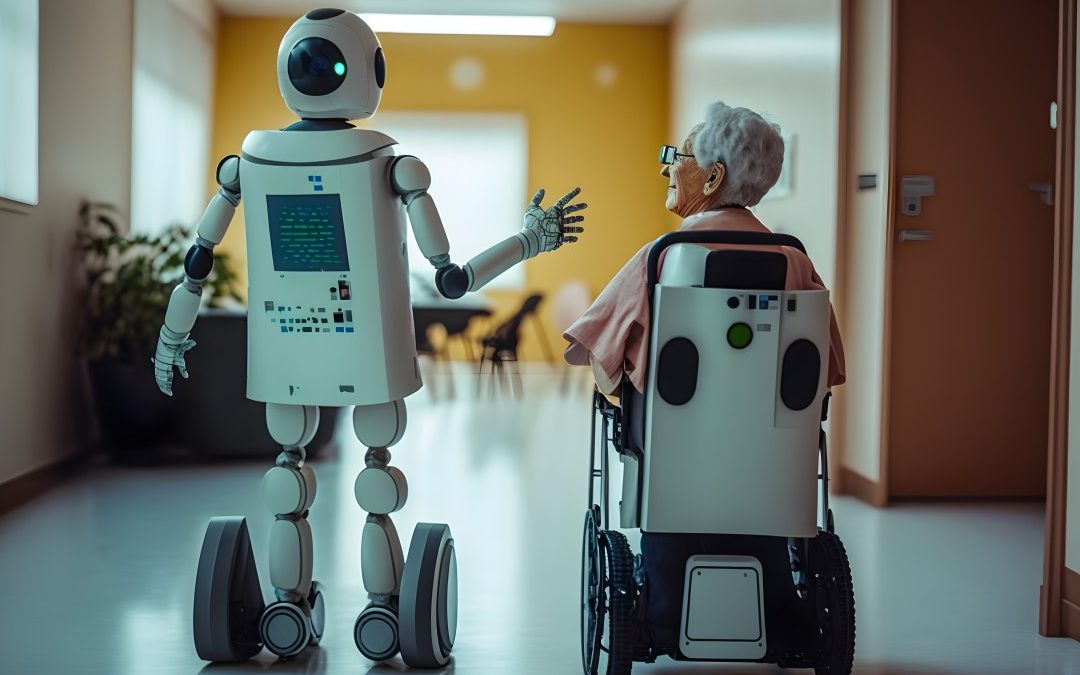
While humanoid robots have been a staple of science fiction for years, recent advancements in artificial intelligence and robotics have brought them closer to reality. Companies like SoftBank Robotics have developed robots like Pepper, which can recognize human emotions, carry on conversations, and perform basic tasks, making them ideal candidates for customer service, elderly care, and even companionship.
In elderly care, robots such as Paro (a therapeutic robot seal) and Buddy (a social robot) are being used to provide emotional support and assistance, improving the quality of life for senior citizens and reducing the burden on caregivers. As these robots continue to evolve, their potential to assist in a wide range of personal and professional settings grows exponentially.
Robotics in Agriculture
Robotics is also making a significant impact in agriculture, where the need for automation and sustainability is crucial. Autonomous farming robots can plant, water, and harvest crops, all while collecting data that can be used to optimize farming practices. For example, Agrobot is a robot designed to pick strawberries with precision, reducing waste and improving efficiency in the harvesting process.
In addition to harvesting, robots equipped with AI and machine learning algorithms are being used for tasks like soil analysis, pest detection, and crop monitoring. These innovations are helping to create more sustainable farming practices, increasing yields while minimizing the use of pesticides and water.
AI and Machine Learning: The Brain Behind Robotics
What makes today’s robots smarter and more capable than ever before is their ability to learn and adapt to their environments. Through AI and machine learning, robots can process vast amounts of data, make decisions based on that data, and improve their performance over time. This ability to “learn” from experience has opened up new possibilities for robotics in industries like manufacturing, where robots can now identify defects, optimize production processes, and even perform maintenance tasks autonomously.
AI-powered robots are also playing a key role in disaster response, where they can be used to search for survivors in hazardous environments, assess structural damage, and even assist in search-and-rescue missions. The synergy between AI and robotics is enabling machines to handle tasks that were once thought to be the exclusive domain of humans.
Challenges and Ethical Considerations
While the future of robotics is promising, there are several challenges that need to be addressed. One major concern is the potential impact of automation on jobs. As robots continue to take on more tasks, there are fears that they could replace human workers in industries like manufacturing, logistics, and even customer service. Ensuring that workers are equipped with the skills necessary to thrive in a more automated world will be crucial to mitigating these concerns.
Additionally, ethical questions arise as robots become more integrated into daily life. Issues like data privacy, robot accountability, and the potential for misuse of robotics in warfare are important conversations that need to take place as these technologies evolve.
The Future of Robotics: What’s Next?
Looking ahead, the future of robotics seems incredibly bright. As technology continues to advance, robots will become more intelligent, more efficient, and more integrated into every aspect of our lives. We can expect to see robots becoming more autonomous, more human-like, and more capable of performing tasks that were once considered too complex or dangerous for machines.
In the near future, we may see widespread use of self-driving cars, robotic assistants in homes and businesses, and robots that can perform surgeries with even greater precision. The possibilities are virtually limitless.
As we move forward, it’s important to remember that robotics is not just about creating machines that can do our jobs. It’s about enhancing human potential, improving safety, and making the world a better place for all. Through innovation and collaboration, robotics will continue to shape the future in ways we’re only beginning to understand.
Conclusion: Embracing the Robotic Revolution
Robotics innovations are transforming industries, enhancing lives, and pushing the boundaries of what we thought possible. While there are challenges to overcome, the potential for robots to improve efficiency, safety, and quality of life is immense. As we continue to innovate and develop new technologies, we must remain mindful of the ethical implications and the need for responsible deployment.